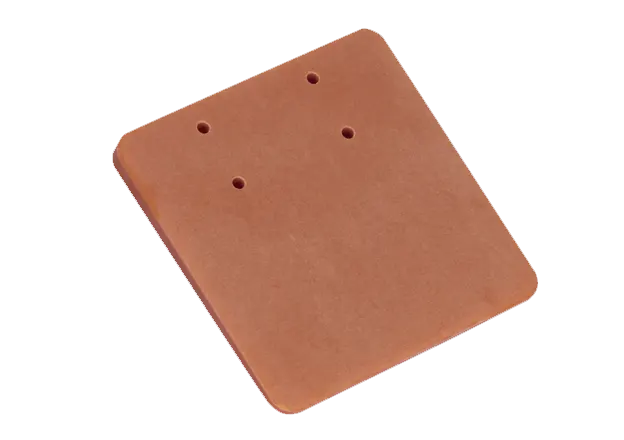
Бакелит, chemically known as phenolic plastic, is recognized as the first type of plastic to be industrially produced. It is renowned for its high mechanical strength, excellent insulation properties, heat resistance, and corrosion resistance, making it ideal for manufacturing electrical materials such as switches, lamp heads, headphones, and telephone cases. The introduction of Bakelite has had a significant impact on industrial development.
Механические свойства
Phenolic plastic is characterized as a hard and brittle thermosetting material. Bakelite exhibits non-absorbent and non-conductive properties, along with high-temperature resistance and strength. Its malleability resembles that of wood, which is why it is often referred to as “Bakelite.” The production process involves mixing powdered phenolic resin with sawdust, asbestos, or clay, which is then pressed into molds at high temperatures to create finished products.
Bakelite features a hard surface that is brittle and fragile, producing a sound similar to wooden boards when struck. It is mostly opaque and comes in dark colors such as brown or black, and it does not soften in hot water. Its main component is phenolic resin, contributing to its insulating properties.
Molding Performance
Molding Properties: Bakelite has good molding properties, though it generally exhibits greater shrinkage and directionality compared to amino plastics. It may contain moisture volatiles, so preheating before molding is recommended. Additionally, the mold temperature and molding pressure should be increased if preheating is not performed.
Mold Temperature: The fluidity of Bakelite is significantly affected by mold temperature; typically, fluidity declines rapidly at temperatures above 160°C.
Hardening Speed: The hardening speed of Bakelite is generally slower than that of amino plastics, and the heat released during hardening is substantial. This can lead to high internal temperatures in large, thick-walled plastic parts, resulting in uneven hardening and potential overheating.
When the molar ratio of formaldehyde to phenol is less than 1, thermoplastic products can be obtained, known as thermoplastic phenolic resin or linear phenolic resin. This type does not undergo further condensation and can be cured by adding a curing agent, such as hexamethylenetetramine, at a curing temperature of 150°C, often mixed with fillers to create what is commonly known as Bakelite powder.
Conversely, when the molar ratio of formaldehyde to phenol exceeds 1, an alkali-catalyzed reaction produces stage A resin, which is a thermosetting phenolic resin soluble in organic solvents. This stage A resin contains hydroxymethyl groups that can undergo further condensation, eliminating the need for an external curing agent. Upon heating, this resin transforms into stage B resin, also known as semi-soluble phenolic resin, which is insoluble and non-melting but can swell and soften. Continued reaction leads to the formation of stage C resin, known as insoluble phenolic resin.
The curing of thermosetting phenolic resin can occur through two methods: room temperature curing and heat curing. Room temperature curing can utilize non-toxic agents like NL, although other options such as benzene sulfonyl chloride or petroleum sulfonic acid are available, albeit with higher toxicity and irritant properties.
Процесс заказа
1 квартал: Как отправить запрос на обработку?А: Вы можете связаться с нами через WhatsApp: +86 15323729231 или по электронной почте [email protected].Б: Мы поддерживаем форматы файлов STEP/STL/IGES.. Вы также можете отправить свои файлы на нашу служебную электронную почту.. Наша система сформирует предложение и обработает рекомендации в течение 1 час.
2 квартал: Предоставляете ли вы предложения по оптимизации дизайна??А: Да! Наша команда инженеров предлагает бесплатный DFM (Дизайн для технологичности) обзор, предоставление предложений по оптимизации для улучшения структуры и снижения затрат.
Цены & Доставка
Q3: Какова минимальная сумма заказа (минимальный заказ)?А: Нет минимального заказа! Принимаем заказы от 1 кусок, будь то 3D-печать или обработка на станке с ЧПУ.
Q4: Что входит в предложение?А: В стоимость включены материалы, плата за обработку, и основная обработка поверхности (НАПРИМЕР., пескоструйная обработка). Дополнительные процессы (НАПРИМЕР., гальваника, анодирование) будет указано отдельно.
Q5: Каково стандартное время выполнения?
- Обработка с ЧПУ: 3-5 дни (до 7 дней на сложные детали)
- 3D Печать: 72 часы
Технология & Качество
Q6: Какова точность обработки?
- Обработка с ЧПУ: Быстрое прототипирование с допуском ±0,05 мм., 0.1допуск формы мм, и шероховатость поверхности Ra1,6 или выше.
- 3D Печать:
- Детали из смолы: ±0,2 мм
- Нейлоновые детали: ±0,3 мм
- Пластиковые детали: ±0,3 мм
- Металлические детали: ±0,3 мм
Q7: Какие материалы вы поддерживаете?✅ Обработка на станке с ЧПУ:
- Алюминиевый сплав: 6061, 7075
- Медный сплав: Латунь (H59), Красная Медь (Т2)
- Легированная сталь: 45# Сталь
- Нержавеющая сталь: СУС304
- Пластмассы:
- АБС (Белый, Черный)
- Пома (Белый, Черный)
- Бакелит (Черный, Апельсин)
- Акрил (Прозрачный)
- Эпоксидная доска FR4 (Зеленый)
- PA6 Нейлон (Белый)
- Поликарбонат (Прозрачный)
✅ 3D-печать:
- Смола, Нейлон, Инженерные пластмассы, Нержавеющая сталь
Послепродажное обслуживание
Q8: Что делать, если детали не соответствуют требованиям?А: Если дефекты возникают из-за наших проблем с обработкой, мы гарантируем бесплатное восстановление.